How to Design a Cardio Workout Routine for Beginners

 By Sayan Gosh |
 5 min read
|27 Jan 2025Starting a cardio workout routine can be an exciting and effective way to improve your overall fitness, especially if you are new to exercise. Designing a cardio routine tailored to beginners involves understanding basic principles, setting realistic goals, and incorporating a variety of activities to keep you motivated. In this article, we’ll guide you through the steps to create a beginner-friendly cardio workout routine, including tips on how to get started, structure your workouts, and progress safely.

Understanding the Basics of Cardio
Cardiovascular exercise, or cardio, is any activity that raises your heart rate and improves circulation. For beginners, it’s important to start with manageable activities and gradually increase intensity. Here are some key points to consider:
Low-Impact vs. High-Impact Cardio: Low-impact exercises, such as walking and cycling, are gentler on the joints and suitable for beginners. High-impact exercises, like running and jumping, offer more intensity but may be challenging for those new to exercise.
Intensity Levels: Cardio intensity can be categorized as low, moderate, or high. Beginners should start with low to moderate intensity to build endurance and avoid overexertion.

Duration and Frequency: Aim to include cardio workouts in your routine 3-5 times per week. Start with shorter durations, such as 15-20 minutes per session, and gradually increase as your fitness improves.
Setting Realistic Goals
Before designing your cardio routine, set realistic and achievable goals to keep you motivated:
Fitness Goals: Determine what you want to achieve with your cardio workouts, such as improved endurance, weight loss, or increased energy levels. Set specific, measurable, attainable, relevant, and time-bound (SMART) goals.
Progression: Plan to gradually increase the duration, intensity, or frequency of your workouts over time. This approach helps prevent plateaus and reduces the risk of injury.

Creating a Balanced Routine
A well-rounded cardio routine for beginners should include a mix of different activities to target various aspects of fitness and prevent boredom. Here’s how to structure your routine:
Choose Your Activities: Select a few cardio exercises that you enjoy and that suit your fitness level. Options include walking, jogging, cycling, swimming, dancing, and using cardio machines like treadmills or ellipticals.
Warm-Up: Begin each workout with a 5-10 minute warm-up to prepare your muscles and cardiovascular system. Light jogging, brisk walking, or dynamic stretches are effective warm-up exercises.
Workout Structure: For each cardio session, aim for a duration of 20-30 minutes. Start with 15 minutes if you’re new to exercise and gradually increase the time as your fitness improves. Incorporate intervals or steady-state cardio based on your goals:

Intervals: Alternating between periods of higher and lower intensity, such as 1 minute of fast walking followed by 2 minutes of slow walking. Intervals can boost cardiovascular fitness and calorie burn.
Steady-State: Maintaining a consistent, moderate intensity throughout the workout, such as a continuous 30-minute walk or bike ride. Steady-state cardio is effective for building endurance and fat burning.
Cool-Down: End each workout with a 5-10 minute cool-down to gradually lower your heart rate and stretch your muscles. This helps with recovery and reduces the risk of soreness.
Tips for Beginners
Here are some additional tips to help you design and stick to your cardio workout routine:

Start Slow: Begin with shorter, less intense sessions and gradually increase duration and intensity. This helps your body adapt and reduces the risk of injury.
Listen to Your Body: Pay attention to how your body feels during and after workouts. If you experience pain or discomfort, adjust the intensity or consult a fitness professional.
Stay Hydrated: Drink water before, during, and after your workouts to stay hydrated and support optimal performance.
Mix It Up: Incorporate a variety of cardio exercises to keep your routine interesting and challenge different muscle groups. This can also help prevent overuse injuries.
Track Your Progress: Keep a workout journal or use a fitness app to monitor your progress, set new goals, and stay motivated.
Stay Consistent: Consistency is key to seeing results. Make cardio a regular part of your routine and find ways to make it enjoyable to ensure long-term adherence.
Common Mistakes to Avoid
When designing and following a cardio routine, be mindful of these common mistakes:
Overtraining: Avoid excessive cardio sessions that can lead to burnout or injury. Balance cardio with strength training and rest days for a well-rounded fitness program.
Ignoring Rest Days: Rest is essential for recovery and preventing overuse injuries. Incorporate rest days or active recovery days into your routine.
Neglecting Variety: Doing the same cardio exercises repeatedly can lead to boredom and a plateau in progress. Incorporate different activities and change up your routine regularly.
Final Thoughts
Designing a cardio workout routine for beginners involves starting with manageable activities, setting realistic goals, and gradually increasing intensity and duration. By incorporating a variety of exercises, paying attention to your body’s signals, and staying consistent, you can build a strong foundation for cardiovascular fitness and overall health. Remember to listen to your body, track your progress, and enjoy the journey of improving your fitness.
MORE ARTICLES

5 min read | 07 Feb 2025
The Environmental Benefits of Choosing Whole Foods
Choosing whole foods not only benefits your health but also has a significant positive impact on the environment. Whole foods, which include fruits, vegetables, whole grains, nuts, seeds, and lean proteins, are minimally processed and often come from sustainable farming practices. In this article, we will explore the environmental benefits of incorporating more whole foods into your diet and how these choices contribute to a healthier planet.

2 min read | 06 Feb 2025
Cooking with Whole Foods: Easy Recipes to Get Started
Cooking with whole foods can transform your meals into nourishing and flavorful experiences. Whole foods are minimally processed and packed with essential nutrients, making them an excellent choice for maintaining a healthy diet. If you're new to cooking with whole foods, starting with simple recipes can make the transition smoother. In this article, we'll explore easy and delicious recipes that highlight the benefits of whole foods and provide a great foundation for your culinary journey.

2 min read | 05 Feb 2025
How to Transition to a Whole Foods Diet
Transitioning to a whole foods diet can be a transformative journey towards better health and well-being. Whole foods are minimally processed and retain most of their natural nutrients, offering numerous benefits such as improved digestion, better energy levels, and a reduced risk of chronic diseases. However, making this shift can be challenging if you're accustomed to a diet high in processed foods. This article provides a step-by-step guide on how to transition smoothly to a whole foods diet and maintain it long-term.

4 min read | 04 Feb 2025
Benefits of Eating Whole Foods for Your Health
Eating a diet rich in whole foods is one of the most effective ways to improve overall health and well-being. Whole foods are minimally processed and free from artificial additives, preservatives, and unhealthy fats, making them an excellent choice for maintaining good health. In this article, we will explore the numerous benefits of incorporating whole foods into your diet and how they can positively impact various aspects of your health.
4 min read | 03 Feb 2025
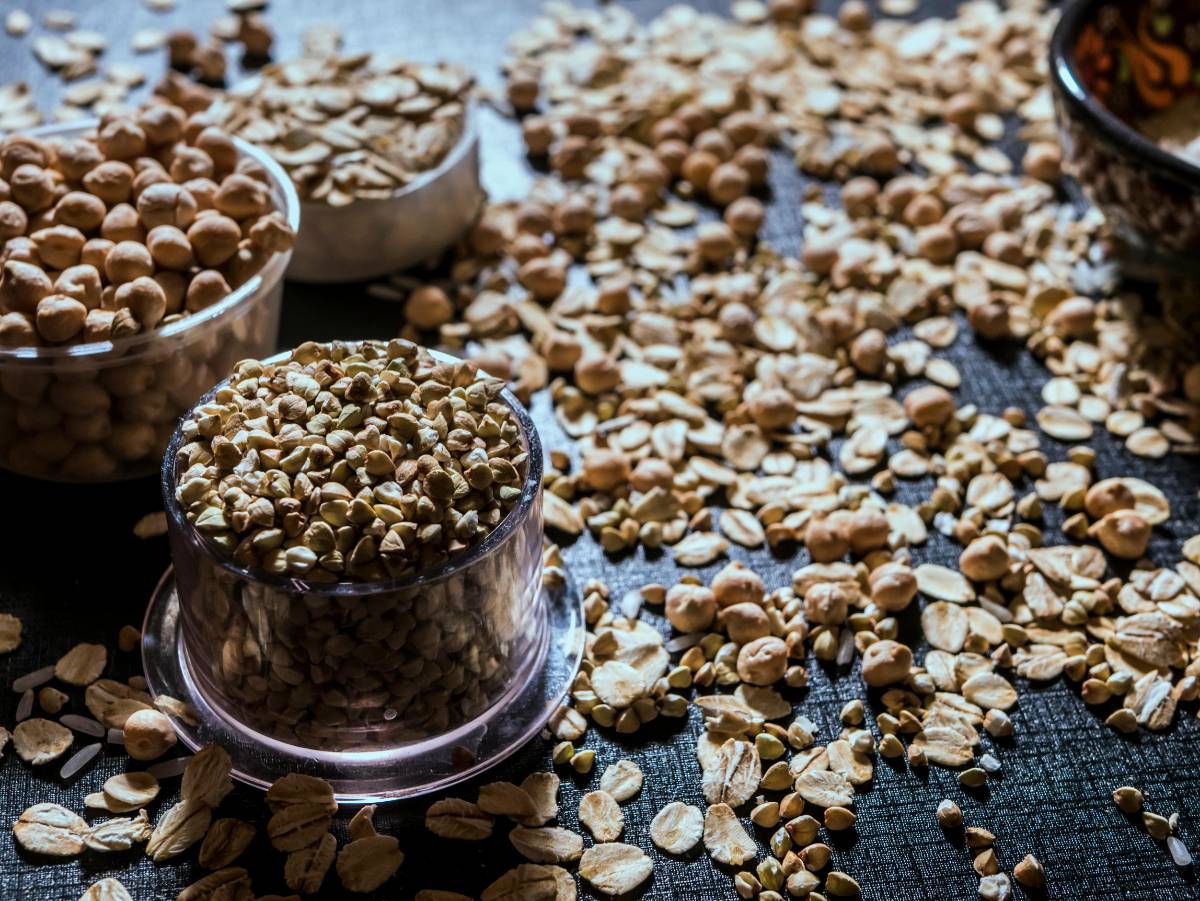
Whole Grains vs. Refined Grains: What’s the Difference?
Grains are a fundamental part of many diets around the world, providing a significant source of energy and essential nutrients. However, not all grains are created equal. Whole grains and refined grains differ significantly in their nutritional value and health benefits. Understanding these differences can help you make more informed dietary choices. In this article, we will explore what whole grains and refined grains are, their differences, and the impact they have on your health.

3 min read | 02 Feb 2025
Incorporating More Fruits and Vegetables into Your Diet
Eating more fruits and vegetables is essential for maintaining a healthy diet and overall well-being. They are packed with essential nutrients, vitamins, minerals, and fiber that support various bodily functions and can help prevent chronic diseases. This article will provide you with practical tips and strategies to increase your fruit and vegetable intake and make them a more prominent part of your diet.
RECENT POSTS
1
The Importance of a Consistent Hair Care Regimen
3 min read | 26 Feb 20252
Daily Skincare Routine for Glowing Skin
3 min read | 25 Feb 20253
Mindful Eating: How to Develop a Healthy Relationship with Food
3 min read | 16 Apr 20254
Incorporating More Vegetables into Your Daily Diet
2 min read | 15 Apr 20255
How to Stay Healthy During the Holidays
5 min read | 14 Apr 20256
The Health Benefits of Organic Foods
4 min read | 13 Apr 2025MORE POSTS

Benefits of Regular Exfoliation for Healthy Skin
5 min read | 13 Apr 2025
How to Create a Relaxing Nighttime Skincare Routine
2 min read | 12 Apr 2025
Top Tips for Managing Stress Through Personal Care
3 min read | 11 Apr 2025
The Importance of Sunscreen: Protecting Your Skin Year-Round
4 min read | 10 Apr 2025
Essential Oils for Skin and Hair Care
5 min read | 09 Apr 2025