Understanding Reps, Sets, and Rest Periods in Strength Training

 By Wilson Baker |
 3 min read
|25 Jan 2025When it comes to strength training, understanding the concepts of reps, sets, and rest periods is crucial for designing an effective workout routine. These fundamental components play a significant role in determining how your muscles respond to exercise, influence your progress, and help you achieve your fitness goals. In this article, we will explore what reps, sets, and rest periods are, how they affect your strength training, and how to use them to optimize your workouts.

What Are Reps and Sets?
In strength training, the terms "reps" and "sets" refer to specific elements of your workout routine:
Reps (Repetitions): A rep, or repetition, is a single complete motion of an exercise. For example, one rep of a bicep curl involves lifting and lowering the weight once. Reps are the building blocks of your workout and determine how many times you perform the exercise in a single set.
Sets: A set is a group of consecutive reps performed without resting. For instance, if you perform 10 bicep curls without stopping, you’ve completed one set of 10 reps. Sets are used to structure your workout and manage the volume of exercise you perform.

Choosing the right number of reps and sets depends on your fitness goals, whether you’re aiming for muscle growth, strength, endurance, or a combination of these. Here’s a general guide:
Muscle Growth (Hypertrophy): To build muscle, aim for 6-12 reps per set. This rep range provides enough tension and time under tension to stimulate muscle growth. Perform 3-4 sets of each exercise.
Strength: For increasing strength, focus on lower rep ranges, typically 1-5 reps per set. This range allows you to lift heavier weights and develop maximal strength. Perform 3-5 sets of each exercise.
Endurance: To improve muscular endurance, perform higher reps, usually 15-20 or more per set. This approach helps improve your muscles' ability to sustain prolonged exertion. Perform 2-4 sets of each exercise.

How Rest Periods Affect Your Training

Rest periods are the intervals of time you take between sets of an exercise. They play a critical role in how effectively your muscles recover and adapt to the training stimulus. Rest periods can vary depending on your training goals:
Muscle Growth (Hypertrophy): For muscle growth, rest periods of 30-90 seconds between sets are recommended. Shorter rest periods keep the muscles under tension and increase metabolic stress, promoting hypertrophy.
Strength: To maximize strength gains, longer rest periods of 2-5 minutes are beneficial. This allows for more complete recovery of your muscles and nervous system, enabling you to lift heavier weights in subsequent sets.
Endurance: For muscular endurance, shorter rest periods of 30-60 seconds are effective. This helps improve your muscles' ability to recover quickly and sustain performance over extended periods.
Combining Reps, Sets, and Rest Periods

To design an effective strength training program, you need to combine reps, sets, and rest periods in a way that aligns with your goals. Here’s how to integrate these components:
Goal Setting: Determine your primary fitness goals—muscle growth, strength, or endurance. Based on your goals, choose the appropriate rep range, number of sets, and rest periods.
Program Design: Structure your workout by selecting exercises that target different muscle groups. Incorporate a mix of compound and isolation exercises to ensure balanced development.
Progression: Gradually increase the intensity of your workouts by adjusting reps, sets, or rest periods. For example, you can increase the weight you lift, add more reps, or decrease rest periods to continue challenging your muscles.
Recovery: Allow adequate recovery between workouts to prevent overtraining and reduce the risk of injury. Ensure you get enough rest and nutrition to support muscle repair and growth.

Practical Tips for Effective Workouts
Here are some practical tips for optimizing your strength training using reps, sets, and rest periods:
Track Your Progress: Keep a workout log to track your reps, sets, and rest periods. This helps you monitor progress, identify patterns, and make informed adjustments to your training program.
Listen to Your Body: Pay attention to how your body responds to different rep ranges, sets, and rest periods. Adjust your workout based on factors such as fatigue, recovery, and performance.
Mix It Up: Incorporate variations in reps, sets, and rest periods to prevent plateaus and keep your workouts engaging. For example, you can alternate between high-rep and low-rep phases or adjust rest periods to target different aspects of fitness.
Consult a Professional: If you’re unsure how to design your strength training program or need guidance on optimizing reps, sets, and rest periods, consider consulting a certified personal trainer or fitness coach.
Common Mistakes to Avoid
Avoid these common mistakes when incorporating reps, sets, and rest periods into your strength training routine:
Skipping Rest Periods: Don’t rush through your workouts by skipping rest periods. Adequate rest is essential for recovery and performance.
Overtraining: Avoid excessive training volume or intensity without proper recovery. Overtraining can lead to fatigue, decreased performance, and increased risk of injury.
Ignoring Form: Ensure proper form and technique during exercises, regardless of the number of reps, sets, or rest periods. Poor form can lead to injury and reduced effectiveness.
Final Thoughts
Understanding and effectively managing reps, sets, and rest periods is key to optimizing your strength training results. By tailoring these elements to your fitness goals and incorporating them into a well-structured workout program, you can enhance muscle growth, strength, and endurance. Remember to listen to your body, track progress, and make adjustments as needed to achieve the best outcomes from your training routine.
MORE ARTICLES

6 min read | 05 Mar 2025
How to Increase Water Intake Throughout the Day
Increasing your water intake is crucial for maintaining proper hydration, which supports various bodily functions including digestion, circulation, and temperature regulation. Many people struggle to drink enough water throughout the day, but with a few simple strategies, you can easily boost your daily water consumption and stay well-hydrated.

4 min read | 04 Mar 2025
The Impact of Caffeinated and Sugary Drinks on Hydration
Maintaining proper hydration is essential for overall health, but not all beverages contribute equally to your hydration needs. Caffeinated and sugary drinks are popular choices for many, but their impact on hydration can be complex. Understanding how these drinks affect your body's fluid balance is crucial for making informed choices about your hydration strategy.

5 min read | 03 Mar 2025
How to Use Infused Water for Better Hydration
Infused water is a refreshing and flavorful way to stay hydrated while adding a variety of health benefits. By combining water with fruits, vegetables, and herbs, you can create a delicious beverage that encourages you to drink more water throughout the day. Here’s how to use infused water to boost your hydration and enjoy a range of health benefits.
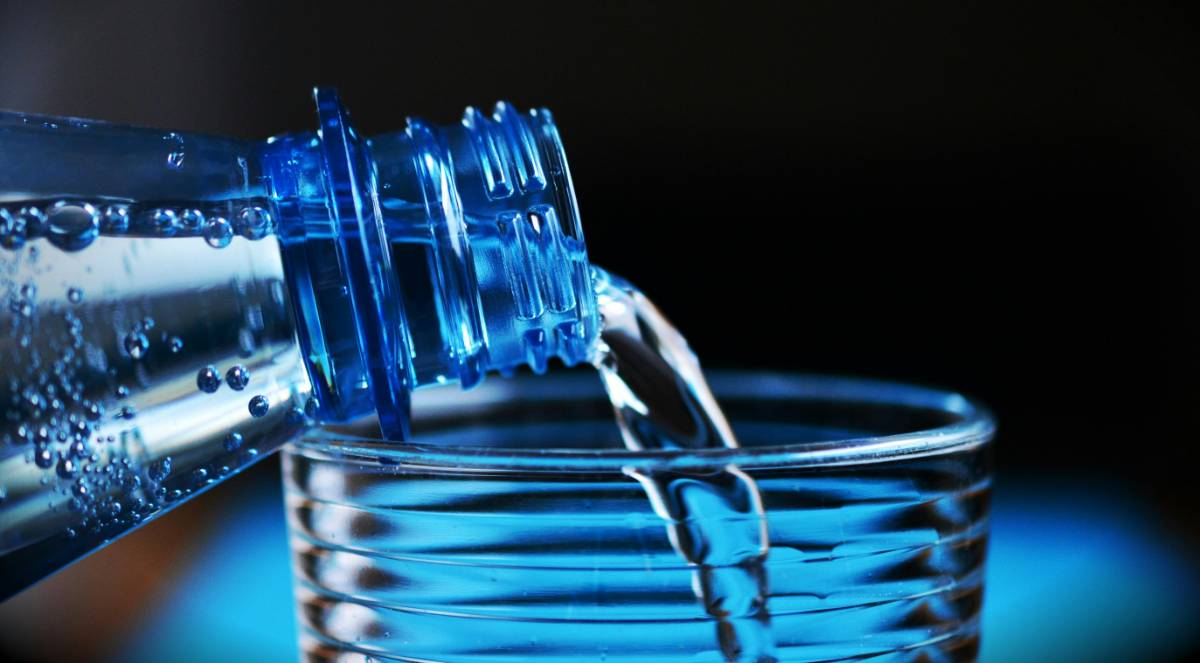
5 min read | 02 Mar 2025
The Role of Electrolytes in Hydration
Hydration is more than just drinking water; it involves maintaining the right balance of fluids and electrolytes in your body. Electrolytes are minerals that carry an electric charge and are vital for various bodily functions. They include sodium, potassium, calcium, magnesium, chloride, and phosphate, all of which play crucial roles in hydration and overall health.

4 min read | 01 Mar 2025
Hydrating Foods to Include in Your Diet
Staying hydrated is essential for your overall health, and while drinking water is the most direct way to maintain hydration, incorporating hydrating foods into your diet can also be highly effective. These foods not only help keep you hydrated but also provide essential nutrients and vitamins. Here are some of the best hydrating foods to include in your diet:

6 min read | 28 Feb 2025
How to Identify and Combat Dehydration
Dehydration occurs when your body loses more fluids than it takes in, leading to a lack of sufficient water to perform its normal functions. Identifying and combating dehydration is crucial to maintaining your health and well-being. Here’s how you can recognize the signs of dehydration and take steps to prevent it:
RECENT POSTS
1
How to Track Your Cardio Fitness Progress
5 min read | 04 Feb 20252
Cardio Workouts That Don’t Require Equipment
3 min read | 03 Feb 20253
How to Choose the Right Cardio Equipment for Home Workouts
4 min read | 02 Feb 20254
The Benefits of Steady-State vs. Interval Cardio
5 min read | 01 Feb 20255
High-Intensity Cardio Workouts for Busy Schedules
4 min read | 31 Jan 20256
The Role of Cardio in Weight Loss
4 min read | 30 Jan 2025MORE POSTS

Portion Control for Weight Management
2 min read | 26 Jan 2025
How to Measure Portion Sizes at Home
4 min read | 25 Jan 2025
The Science Behind Portion Control
4 min read | 24 Jan 2025
Tips for Eating Balanced on a Budget
5 min read | 23 Jan 2025
The Role of Portion Sizes in a Balanced Diet
5 min read | 22 Jan 2025